
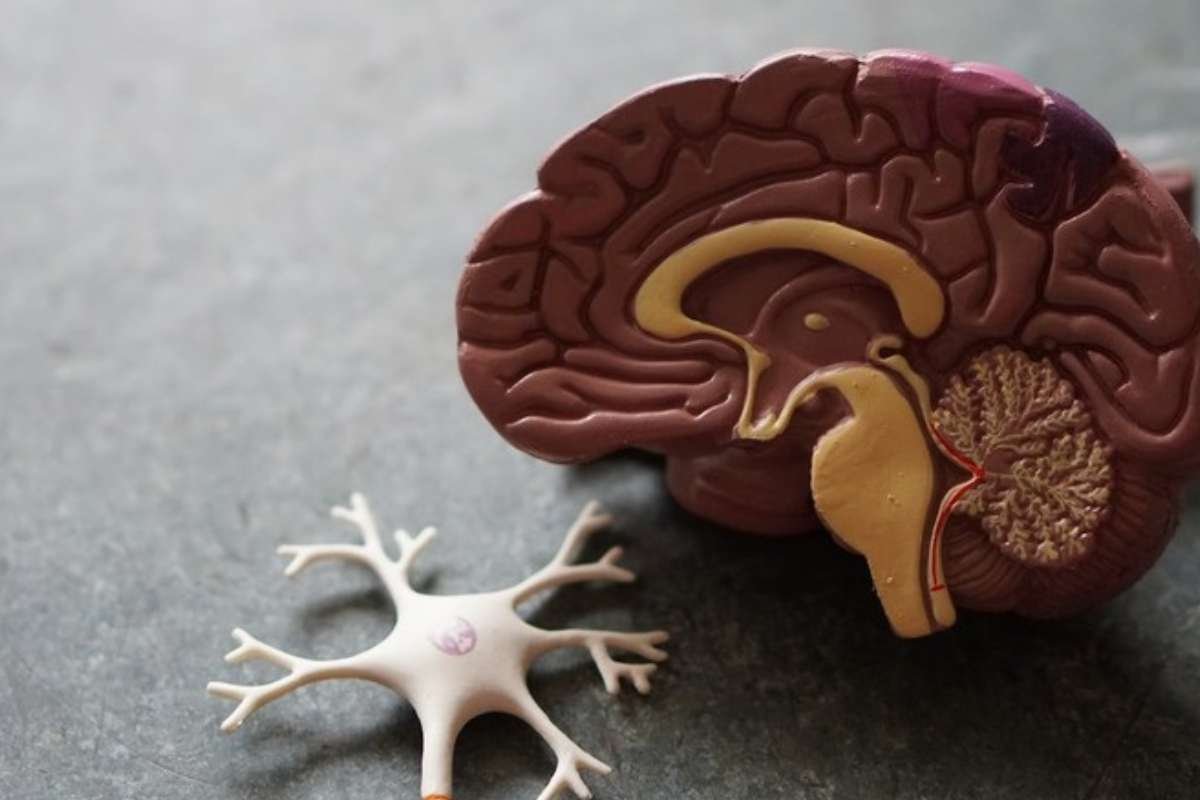
In 2012, scientists Jennifer Doudna and Emmanuelle Charpentier published a paper describing a new molecular tool that could edit DNA with extraordinary precision. Nine years later, they shared the Nobel Prize in Chemistry for it. The tool was CRISPR-Cas9 — and it has been called one of the most important scientific discoveries of the 21st century.
But what exactly is CRISPR, how does it work, and what does it mean for medicine, agriculture, and humanity?
What Is CRISPR?
CRISPR stands for Clustered Regularly Interspaced Short Palindromic Repeats. It sounds intimidating, but the concept is elegant.
CRISPR was originally discovered as part of the immune system of bacteria. When a virus attacks a bacterium, the bacterium can capture snippets of the virus’s DNA and store them in its own genome in a region called a CRISPR array. If the same virus attacks again, the bacterium recognises it and cuts its DNA apart using a protein called Cas9 — essentially a pair of molecular scissors.
Scientists realised they could repurpose this system. By designing a short piece of RNA (called a guide RNA) that matches a specific DNA sequence in any organism, they could direct the Cas9 protein to cut the genome at exactly that location.
How Does CRISPR-Cas9 Work?
The process has three basic steps:
- Design the guide RNA: Scientists create a short RNA sequence that is complementary to the target DNA sequence they want to edit
- Deliver the CRISPR system: The guide RNA and Cas9 protein are delivered into the target cell (via a virus, nanoparticle, or other method)
- Cut and edit: The guide RNA leads Cas9 to the correct location in the genome, where it makes a precise cut. The cell’s own repair machinery then fixes the break — either disabling the gene (knockout) or allowing scientists to insert a new DNA sequence at that spot
Before CRISPR, gene editing existed but was slow, expensive, and imprecise. CRISPR is faster, cheaper, more accurate, and can be used in virtually any organism.
What Can CRISPR Do?
Medicine
The medical applications are staggering:
- Genetic diseases: In 2023, the UK and US approved the first CRISPR-based treatment for human disease — Casgevy, a treatment for sickle cell disease and transfusion-dependent beta-thalassemia. It works by editing patients’ own stem cells to produce healthy haemoglobin.
- Cancer: CRISPR-engineered immune cells are being trialled as cancer therapies, programmed to recognise and destroy tumour cells
- HIV: Researchers have used CRISPR to remove HIV DNA from infected cells in animal models — a potential path toward a functional cure
- Inherited blindness, muscular dystrophy, Huntington’s disease: All being studied in early-stage CRISPR trials
Agriculture
CRISPR is already being used to develop crops that are more resistant to disease, drought, and pests; that have longer shelf lives; and that have improved nutritional profiles — all without inserting foreign DNA from other species.
Infectious Disease
Scientists have used CRISPR to engineer mosquitoes that cannot carry malaria parasites, potentially offering a new tool against one of humanity’s oldest killers.
What Are the Concerns?
CRISPR raises serious ethical questions:
- Designer babies: In 2018, Chinese scientist He Jiankui shocked the world by announcing he had used CRISPR to edit human embryos that were then brought to term — the world’s first gene-edited babies. He was widely condemned by the scientific community, sentenced to prison, and his work highlighted the urgent need for governance frameworks around heritable gene editing
- Off-target effects: CRISPR is precise but not perfect — it can sometimes cut DNA at unintended locations, with unknown consequences
- Equity: Who will have access to CRISPR-based therapies? Current treatments cost hundreds of thousands of dollars
- Ecological risk: Releasing gene-edited organisms into wild ecosystems could have unpredictable effects
The Bottom Line
CRISPR is not a magic wand — but it is the closest thing to one that biology has ever produced. It is already treating real diseases in real people, and its potential over the coming decades is immense. Like all powerful technologies, its ultimate impact will depend not just on what it can do, but on how wisely we choose to use it.