Affiliate Disclosure: The Scientuit may earn a small commission from qualifying purchases made through links in this article, at no extra cost to you.
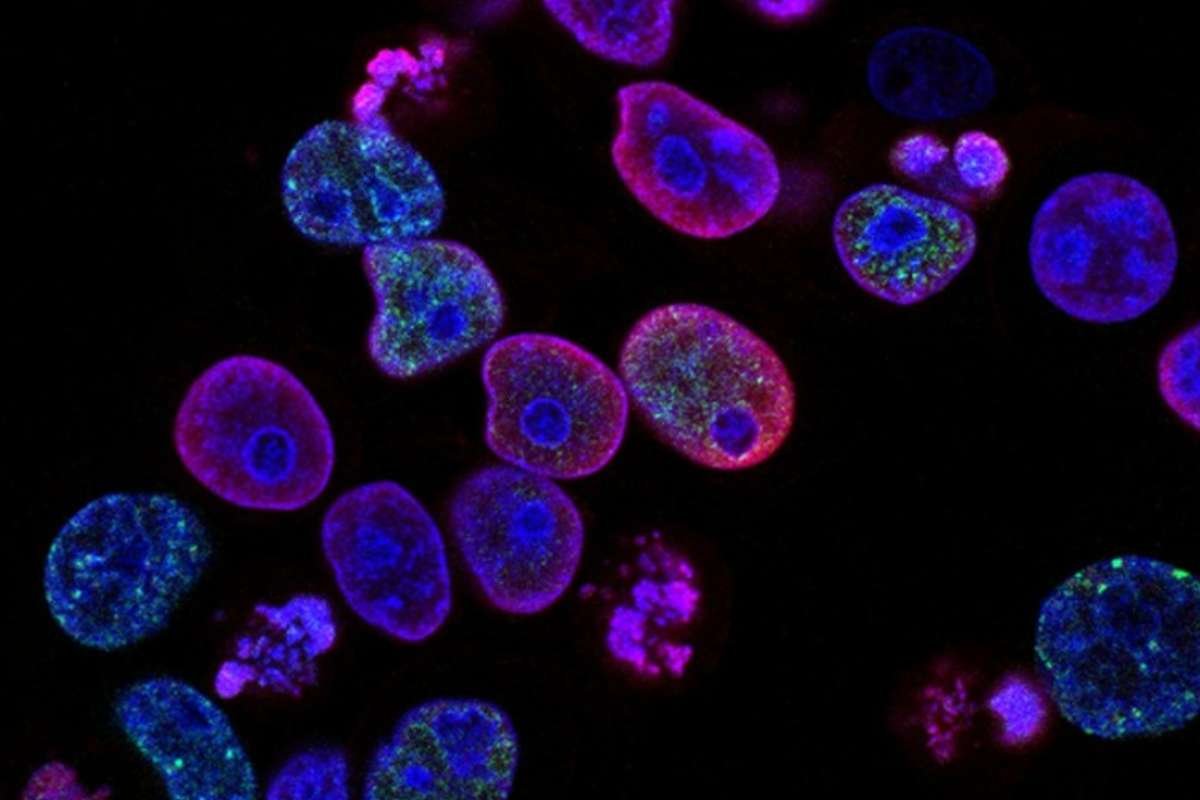
The human eye can see objects down to about 0.1mm. A decent microscope lets you see 1,000 times smaller — revealing a world of cells, crystals, bacteria, and microorganisms invisible to the naked eye.
In 2026, home microscopes have never been better or more affordable. Here are the best options for every budget and interest level.
Quick Comparison
| Microscope | Type | Magnification | Price |
|---|---|---|---|
| Celestron Digital Micro 360 | Digital USB | 10–200x | ~$60 |
| National Geographic Dual LED | Optical | 40–640x | ~$80 |
| AmScope M150C | Optical compound | 40–1000x | ~$120 |
| Celestron 44341 LCD | LCD Digital | 10–200x | ~$130 |
| Swift SW380T | Optical compound | 40–2500x | ~$280 |
| Swiftcam 18MP | Research-grade optical | 40–2000x | ~$500 |
1. Celestron Digital Micro 360 — Best Budget Pick
If you’re completely new to microscopy and don’t want to commit serious money, the Celestron Digital Micro 360 is a fantastic entry point. It connects to your computer via USB and displays live images on screen — no eyepiece squinting required.
At 10–200x magnification, it’s great for examining insects, plants, coins, circuit boards, and skin cells. The image quality is genuinely surprising for the price.
Specs:
- Magnification: 10–200x
- Type: Digital USB
- Image sensor: 2MP
- Connection: USB (PC/Mac compatible)
Best for: First-timers, hobbyists, coin collectors, and anyone who doesn’t need high magnification
2. National Geographic Dual LED Student Microscope — Best for Kids and Students
National Geographic Dual LED Student Microscope
The National Geographic Dual LED is the best beginner microscope for children and students. The dual LED illumination (top and bottom) lets you examine both transparent slides and opaque objects — giving you far more versatility than single-light models.
It comes with 10 prepared slides (plant and animal cells, minerals, insects), blank slides, cover slips, and all the materials to make your own. The optics are genuinely clear and the build quality is robust.
Specs:
- Magnification: 40x, 100x, 200x, 400x, 640x
- Type: Optical compound
- Illumination: Dual LED (top + bottom)
- Includes: 10 prepared slides + blank slides + accessories
Best for: Children aged 8+, students, gift buyers
3. AmScope M150C — Best Under $150
AmScope M150C Compound Microscope
The AmScope M150C is the microscope that science teachers and hobbyists recommend most often. It hits the sweet spot of genuine optical quality, ease of use, and price.
The coaxial focus knobs (coarse and fine) give you precise control. The mechanical stage holds slides securely. The glass optics are clear enough to reveal individual cells, bacteria (with practice), and fine crystal structures.
Specs:
- Magnification: 40x, 100x, 250x, 400x, 1000x
- Type: Optical compound monocular
- Illumination: LED
- Stage: Fixed, with clips
Best for: Serious hobbyists, homeschoolers, students taking biology
4. Celestron 44341 LCD Digital Microscope — Best for Sharing
Celestron 44341 LCD Digital Microscope
The Celestron 44341 has a built-in 3.5-inch LCD screen — no computer required. Point it at anything and see a crisp digital image directly on the screen. Great for classrooms, families, and anyone who wants to share what they’re seeing without huddling around a monitor.
It also connects to a computer for capturing and saving images.
Specs:
- Magnification: 10–200x
- Display: 3.5-inch built-in LCD
- Image capture: Built-in + USB
- Type: Digital
Best for: Families, classrooms, teachers, casual explorers
5. Swift SW380T — Best Serious Hobbyist Microscope
If you’re serious about microscopy — examining prepared specimens, making your own slides, identifying microorganisms in pond water — the Swift SW380T is the upgrade that opens up a whole new level of science.
The trinocular head lets you add a camera for photography and video. The Siedentopf-type head is comfortable for long sessions. At 2500x maximum magnification, you can see bacteria clearly.
Specs:
- Magnification: 40x, 100x, 250x, 400x, 1000x, 2500x
- Type: Trinocular optical compound
- Illumination: LED with diaphragm
- Head: Siedentopf 45° inclined
Best for: Advanced hobbyists, amateur scientists, anyone who wants to photograph specimens
What You Can See at Different Magnifications
| Magnification | What You Can See |
|---|---|
| 10–40x | Insects, fibres, circuit boards, plant structures |
| 100x | Cells, plant stomata, algae, sand grains |
| 400x | Blood cells, bacteria (just), pollen structure |
| 1000x+ | Individual bacteria, chromosomes (with staining) |
What to Buy with Your Microscope
Prepared slide sets — Prepared Microscope Slides Set 100pc
Pre-made slides of animal tissue, plant cells, insects, and bacteria. Great for learning what good specimens look like.
Blank slides and cover slips — Blank Microscope Slides
Make your own specimens from pond water, cheek cells, onion skin, and more.
Dropper bottles and stains — Microscopy Staining Kit
Stains like methylene blue make cells dramatically easier to see.
Immersion oil — required for 1000x magnification on compound scopes.
Optical vs Digital: Which Is Better?
Optical microscopes give higher resolution at high magnification — essential for seeing bacteria and cell structures clearly. The image quality ceiling is higher.
Digital microscopes are easier to use (see everything on screen), better for sharing, easier to photograph, and more versatile for opaque objects. Lower resolution at extreme magnification.
Verdict: For serious biology, get optical. For casual exploration, sharing, and versatility, get digital.
The Bottom Line
Best overall: AmScope M150C (~$120) — genuine optical quality without breaking the bank.
Best for kids/gifts: National Geographic Dual LED (~$80) — comes with everything, built to last.
Best digital: Celestron Digital Micro 360 (~$60) — easy, fun, and great for non-biological specimens.
Serious upgrade: Swift SW380T (~$280) — for when you’re ready to go deep.
The invisible world is one of the most fascinating things you’ll ever explore. A decent microscope is your ticket in.
Prices are approximate and may vary. The Scientuit may earn a commission from qualifying purchases made through affiliate links at no extra cost to you.
Related: [Best Science Gifts 2026] | [What Is the Microbiome?] | [What Is CRISPR?]