
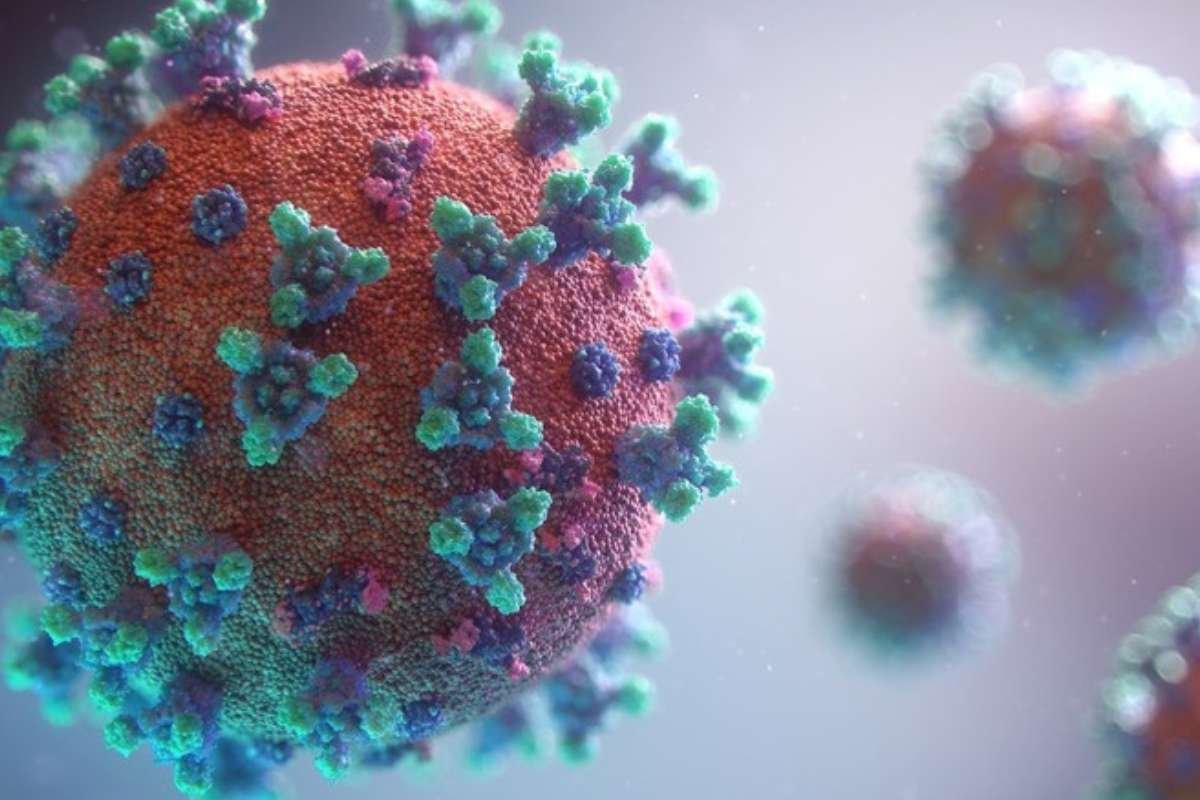
Vaccines have eradicated smallpox, nearly eliminated polio, and save an estimated 2–3 million lives every year according to the World Health Organization. Despite this, many people have only a vague sense of how they actually work. The science is fascinating — and understanding it helps explain why vaccines are so effective, and why new technologies like mRNA vaccines are so significant.
Source: World Health Organization — Vaccines
The Immune System: Your Body’s Defence Network
To understand vaccines, you first need to understand the immune system. When a pathogen (a bacteria or virus) enters your body, your immune system launches a two-pronged attack:
Innate Immunity — The First Responders
The innate immune system responds immediately but non-specifically. It recognises general signs of a foreign invader — certain molecular patterns found on bacteria and viruses — and launches inflammation, fever, and sends white blood cells to the site of infection. This buys time while the more powerful adaptive response gears up.
Adaptive Immunity — The Specialists
The adaptive immune system is slower (taking days to weeks) but devastatingly precise. It involves:
- B cells: Produce antibodies — Y-shaped proteins that bind to specific antigens (molecular markers) on pathogens, neutralising them or tagging them for destruction
- T cells: Some T cells (helper T cells) coordinate the immune response; others (cytotoxic T cells) directly kill infected cells
- Memory cells: After the infection is cleared, some B and T cells become long-lived memory cells that patrol the body for years or decades
The memory cells are the key to vaccination. If the same pathogen appears again, memory cells recognise it immediately and launch a rapid, overwhelming response — often clearing the infection before you even feel ill.
What Vaccines Do
A vaccine trains your immune system to recognise a specific pathogen — without causing the disease itself. It introduces something that resembles part of the pathogen (or, with modern vaccines, instructions for your cells to make a resemblance), triggering an immune response and creating memory cells.
If you later encounter the real pathogen, your memory cells recognise it instantly and respond rapidly enough to prevent serious illness.
Types of Vaccines
1. Live-Attenuated Vaccines
Use a weakened but living version of the pathogen. Because it is still alive and replicating, the immune response is strong and long-lasting. Examples: measles-mumps-rubella (MMR), chickenpox, yellow fever. Generally not suitable for immunocompromised individuals.
2. Inactivated Vaccines
Use a killed version of the pathogen. Safer than live vaccines but often produce a weaker response, requiring booster doses. Examples: flu shot (most types), polio (injected), hepatitis A.
3. Subunit, Recombinant, and Conjugate Vaccines
Use only specific pieces of the pathogen — usually proteins from its outer surface — rather than the whole pathogen. Extremely safe; no risk of infection. Examples: hepatitis B, HPV (Gardasil), whooping cough component of DTaP.
4. Toxoid Vaccines
Target not the pathogen itself but the toxins it produces. Examples: tetanus and diphtheria vaccines teach the immune system to neutralise the dangerous toxins these bacteria release.
5. mRNA Vaccines — The New Generation
The COVID-19 vaccines from Pfizer-BioNTech and Moderna introduced mRNA technology to the world — though it had been in development for decades. Instead of introducing part of the pathogen, mRNA vaccines deliver genetic instructions that your own cells use to temporarily produce a harmless viral protein (for COVID-19, the spike protein). Your immune system learns to recognise this protein and builds memory against it.
Crucially, mRNA never enters the cell nucleus and cannot affect your DNA. It degrades within days. The technology is now being applied to cancer vaccines, flu vaccines, and HIV vaccines in clinical trials.
Source: CDC — mRNA Vaccines
What Is Herd Immunity?
When a sufficient proportion of a population is immune — through vaccination or prior infection — the pathogen struggles to find new hosts and its spread slows or stops. This protects people who cannot be vaccinated (newborns, immunocompromised individuals). The threshold varies by how contagious the disease is: measles requires ~95% immunity; polio ~80–85%.
Are Vaccines Safe?
Vaccines undergo the most rigorous safety testing of any medical product — typically 10–15 years from development to approval, involving tens of thousands of participants in clinical trials. Post-approval, they continue to be monitored by systems like the US Vaccine Adverse Event Reporting System (VAERS) and WHO’s VigiBase.
Serious adverse events from vaccines are real but extremely rare — on the order of 1 in 100,000 to 1 in 1,000,000 doses for the most severe reactions. The risk of serious harm from the diseases vaccines prevent is orders of magnitude greater.
Source: WHO — Vaccine Safety