Home Blog Page 6

NASA’s Next Telescope: Unveiling Secrets of Our Galaxy

0
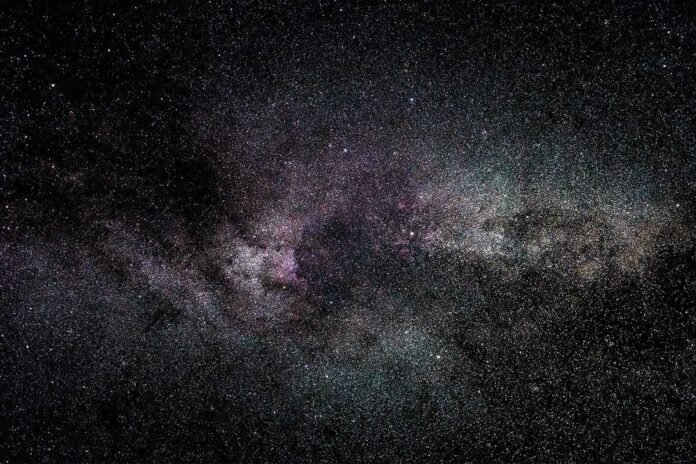
NASA is gearing up for an exciting journey through our Milky Way Galaxy with the Nancy Grace Roman Space Telescope.

NASA is gearing up for an exciting journey through our Milky Way Galaxy with the Nancy Grace Roman Space Telescope. This isn’t just any telescope; it’s a high-tech explorer that will scan space looking for tiny signals and signs that could reveal big secrets about the universe.

What’s the Roman Telescope Up To?

Watching Millions of Stars

The Roman Space Telescope has a special mission: it’s going to keep an eye on hundreds of millions of stars in our galaxy.

Spotting the Hidden

But it’s not just stars; it’s searching for other things too, like planets, faraway stars, icy objects near the edge of our solar system, hidden black holes, and more.

Finding New Worlds

Scientists are excited because this telescope might find a brand new planet farther away than any we’ve seen before. This could open the door to discovering new worlds in the galaxy, adding to the 5,500 exoplanets we already know about.

Time-Domain Astronomy

The Roman Telescope is all about something called “time-domain astronomy.” This means it’s watching how the universe changes and evolves over time. It’s joining a network of observatories from around the world, all working together to catch cosmic events as they happen.

When and Where?

NASA plans to send the Roman Space Telescope into space by May 2027. Its main job will be to look at the heart of the Milky Way, which is like the galaxy’s downtown area. To do this, it’ll use special cameras that can see through dust clouds that usually hide this part of our galaxy.

Keep Watching!

The way this telescope works is pretty cool. It takes pictures every 15 minutes, all day and all night, for about two months. And it doesn’t stop at just one round – it does this six times during its main five-year mission. That’s over a year’s worth of amazing pictures!

Listening to Stars

But the Roman Telescope isn’t just about taking pictures. It’s also going to listen to stars. Well, sort of. It will study a million giant stars by watching how they change in brightness. This helps scientists learn about what’s going on inside these stars, like how old they are and what they’re made of.

Follow THE SCIENTUIT on…

A Spectacular Solar Show in the Americas

0
Ring of Fire Stunning Annular Solar Eclipse

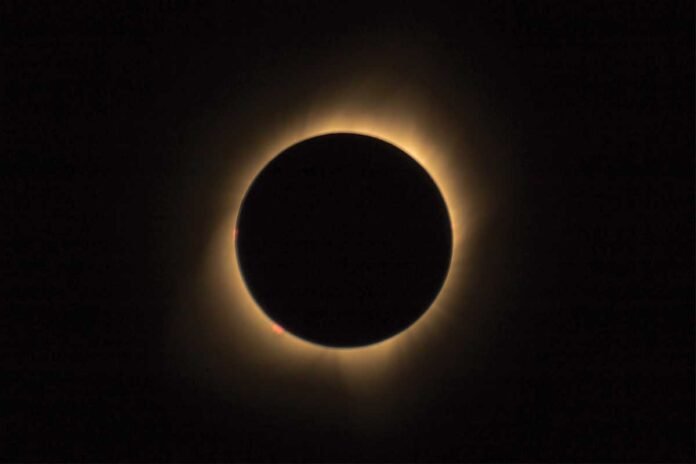
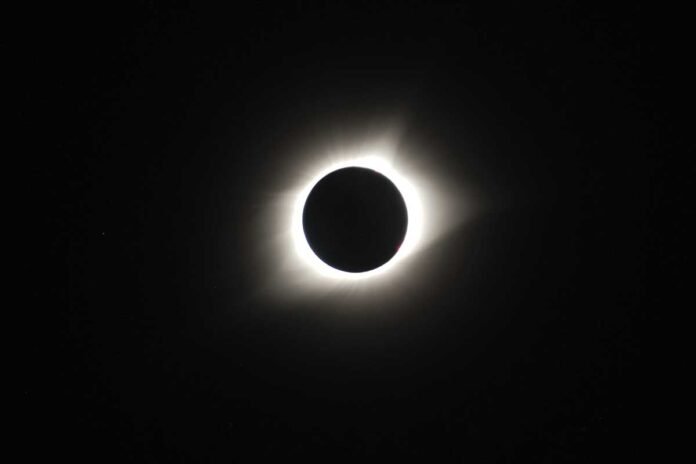
In an extraordinary celestial event, thousands of people in the Americas enjoyed a rare sight known as an annular solar eclipse. During this eclipse, the moon moves in front of the sun, creating a breathtaking “ring of fire” in the sky.

“It’s one of those things you can’t miss,” said 26-year-old Oscar Lopez, who traveled all the way from Mexico City to the southern Mexican city of Campeche to witness this remarkable eclipse. “It’s amazing. We’re really lucky as human beings to be able to experience these things.”

This extraordinary event captivated the hearts of many across the Americas.

Follow THE SCIENTUIT on…

India’s Pioneering CAR-T Cell Therapy: A Giant Leap in Cancer Treatment

0
ImmunoACT, supported by IIT-B and Laurus Labs, has won approval from the Central Drugs Standard Control Organization (CDSCO) for India's very first CAR-T cell therapy called NexCAR19.

In a remarkable feat, ImmunoACT, supported by IIT-B and Laurus Labs, has won approval from the Central Drugs Standard Control Organization (CDSCO) for India’s very first CAR-T cell therapy called NexCAR19. This groundbreaking therapy is a major advancement in the treatment of relapsed/refractory (r/r) B-cell lymphomas and leukemia, signaling significant progress in advanced cell-and-gene therapies.

A Breakthrough from India

NexCAR19 is a special CAR-T cell therapy aimed at CD19, and it’s made entirely in India. This is a massive step forward for advanced cell-and-gene therapies.

Successful Clinical Trials

Researchers tested NexCAR19 on 60 patients with r/r B-cell lymphomas and leukemia, and the results are exciting. About 70 percent of the patients had a positive response to the therapy. What’s even more impressive is that NexCAR19 showed fewer side effects, setting it apart from other similar therapies. It means that it can be used to treat patients in places with fewer resources.

The Impact

The approval of NexCAR19 is a game-changer. Now, even in countries with limited resources, people can get this life-saving treatment at a reasonable cost. This achievement is like reaching for the stars, and it puts India among the few countries with access to CAR-T therapy. It’s a significant step forward in the battle against cancer.

Follow THE SCIENTUIT on…

NASA’s Parker Solar Probe Breaks Speed Records

0
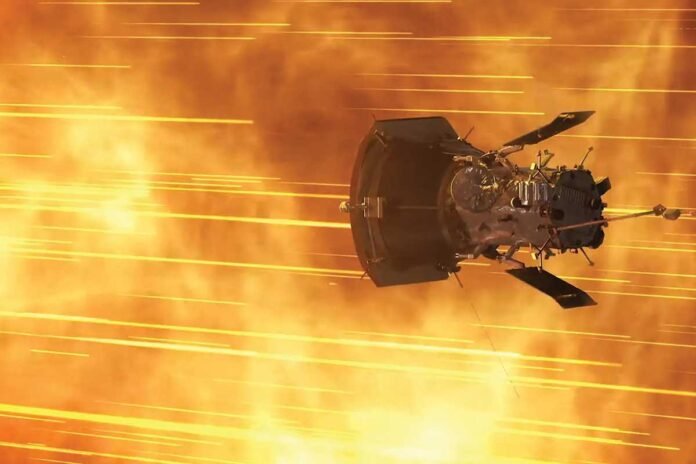
NASA's Parker Solar Probe

NASA’s Parker Solar Probe is making history by becoming the fastest human-made object ever. During its 17th orbit around the Sun, the probe reached an incredible speed of 635,266 kilometers per hour, surpassing its previous record set in 2021. This achievement not only marks a major milestone in space exploration but also brings the probe closer to the Sun than ever before, providing valuable insights into the Sun’s outer corona.

Speed Records and Close Approach

On September 27, 2023, during its 17th solar flyby, the Parker Solar Probe exceeded its 2021 speed record of 586,000 kilometers per hour, achieved during its 10th solar flyby. This remarkable speed demonstrates the probe’s impressive capabilities.

In addition to its record speed, the Parker Solar Probe ventured closer to the Sun than ever before, reaching a proximity of 7.26 million kilometers above the Sun’s surface.

The Parker Solar Probe’s Mission

Launched in 2018, the Parker Solar Probe is on a groundbreaking mission to collect crucial data about the Sun’s outer corona, the Sun’s outermost layer. Scientists have long been puzzled by why the corona is hotter than the layers beneath it.

Upcoming Missions and Insights

By 2025, the Parker Solar Probe plans to complete a total of 24 orbits around the Sun. During its closest approach, it will come within about 3.8 million miles of the Sun. To put this distance into perspective, if we imagine the space between Earth and the Sun as the length of a football field, the probe would be approximately 4 yards from the end zone, according to NASA.

The observations made by the Parker Solar Probe from within the corona itself will provide valuable insights into the Sun’s atmosphere and help scientists understand the mechanisms behind the solar wind. This constant outflow of solar material, traveling at approximately a million miles per hour, significantly impacts Earth. The probe’s data will enhance our understanding of this phenomenon. Additionally, the mission will provide crucial information about how solar eruptions can pose risks to astronauts and technology in space.

Built to Withstand the Heat

To endure the extreme conditions near the Sun, the Parker Solar Probe is equipped with a 4.5-inch-thick carbon-composite shield that keeps its scientific instruments at room temperature. This shield ensures that the probe’s instruments continue to function effectively in the face of the Sun’s intense heat. Other vital technologies on board include a solar array cooling system and on-board fault management systems.

Follow THE SCIENTUIT on…

Big Win for Goa: GI Tag for Goan Cashew

0
the famous Goan cashew has clinched a Geographical Indication (GI) tag

In exciting news, the famous Goan cashew has clinched a Geographical Indication (GI) tag. This special recognition certifies that Goan cashew is a unique product originating from a specific area, setting it apart in the global market. This tag signifies authenticity and tradition.

Why the GI Tag Matters

  • It helps differentiate real Goan cashews from those originating elsewhere, which are sometimes erroneously marketed as ‘Goan cashews.’
  • The application for this special tag was filed by the Goa Cashew Manufacturers’ Association, with support from the Department of Science, Technology, and Waste Management, Government of Goa.
  • Traders cannot use the ‘Goa cashew’ logo on their products without proper registration.

Challenges and the Importance of the GI Tag

  • In recent times, numerous traders from other regions and countries have been selling cheaper imported cashews as ‘Goan cashews.’ This has impacted the quality and reputation of genuine Goan cashews.
  • Some Goan cashew producers have encountered challenges in selling their products within the state, leading them to explore markets outside Goa or even consider closing their factories.
  • Goa’s higher minimum wages and quality standards, compared to other states, have posed difficulties for local cashew processors.
  • Over the years, the number of cashew processing units in Goa has significantly declined.

The Future with the GI Tag

  • The GI tag will enhance the reputation and instill trust in Goan cashews, both in India and abroad.
  • This recognition is particularly crucial for exports, as it assures consumers of the quality and authenticity of Goan cashews.
  • The government is committed to cracking down on any illegal marketing practices to ensure that the GI-tagged product maintains its high standards.

A Look Back in History

  • Cashew was introduced to Goa by the Portuguese in the 16th century.
  • Initially, it was used for afforestation and soil conservation.
  • The first cashew factory in Goa started in 1926.
  • In 1961, cashew processing was a major industry in Goa, with a significant portion being exported to different countries. It even accounted for around 60% of the state’s industrial production.

So, this GI tag isn’t just about a tasty snack; it’s about preserving a piece of Goan history and tradition.

Follow THE SCIENTUIT on…

Google Vows to Protect Users in AI Copyright Battles

0
Google Vows to Protect Users in AI Copyright Battles

Google has stepped up to defend users of its AI systems in Google Cloud and Workspace. If these users are accused of violating intellectual property rights, Google will support them. This pledge puts Google alongside companies like Microsoft and Adobe, who have made similar commitments.

Big tech companies like Google are heavily investing in AI. They are rapidly integrating AI into their products. But some writers and artists have raised concerns, saying that the use of their work to train AI systems and the content created by these systems infringe upon their rights.

Google’s approach to this issue is unique. It offers a two-pronged approach to provide protection in both types of claims. However, this protection doesn’t apply if users intentionally use generated content to violate someone else’s rights.

The recent lawsuits about AI primarily target the companies that own the AI systems, like Google, rather than individual users. AI developers argue that the use of data from the internet for training their systems falls under fair use according to U.S. copyright law.

Follow THE SCIENTUIT on…

NASA Makes Big Discovery on Asteroid Bennu

0
NASA Makes Big Discovery on Asteroid Bennu

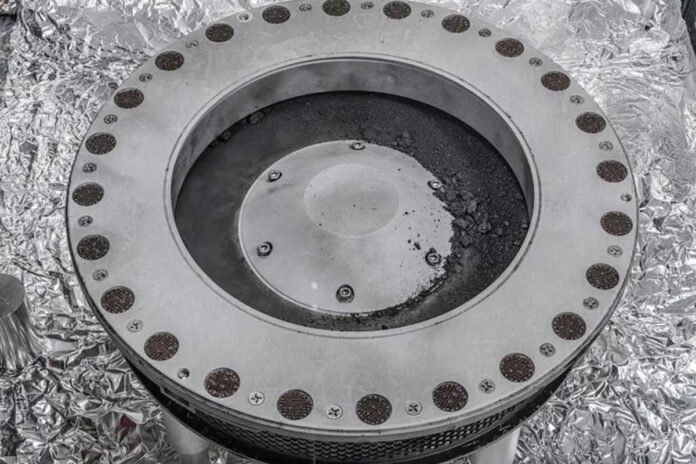
NASA, the American space agency, shared exciting news about an ancient asteroid called Bennu. This asteroid is a whopping 4.5 billion years old, and NASA’s OSIRIS-REx mission brought some of it back to Earth.

What’s fascinating is that the asteroid holds even more carbon and water than scientists expected. And here’s the exciting part: these findings hint that the ingredients for life on Earth might be hiding in these space rocks!

According to NASA, this sample from OSIRIS-REx is the largest amount of carbon-rich material ever brought back from an asteroid. NASA’s administrator, Bill Nelson, says this asteroid sample will be a treasure trove for scientists studying how life on our planet began.

The mission was meant to collect about 60 grams of asteroid material. But guess what? They ended up with more than 250 grams of pristine asteroid samples.

These precious samples will give scientists incredible insights into how our solar system came to be.

The spacecraft’s name is quite a mouthful – “Origins, Spectral Interpretation, Resource Identification, Security-Regolith Explorer.” It made history on September 24, 2023, by being the first US mission to collect and bring back a piece of an asteroid.

Exciting times for space exploration, right?

Follow THE SCIENTUIT on…

ISRO to Build New Spaceport for Small Satellite Rockets

0
ISRO to Build New Spaceport in Kulasekarapattinam for Small Satellite Rockets

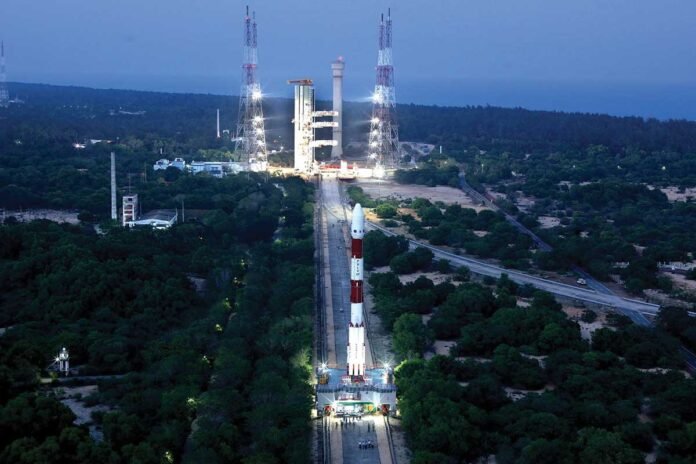
India’s space agency, ISRO, is creating a second space launch site specifically for small satellite rockets. This new spaceport will be in Kulasekarapattinam, Tamil Nadu, and should be ready in about two years.

It’s a big area, about 2,000 acres, already given to ISRO. But here’s the exciting part: this spaceport is just for private companies to launch their rockets. ISRO won’t use it for its own missions.

The star of the show here is the Small Satellite Launch Vehicle (SSLV). It’s a three-stage rocket that can carry small satellites (around 500 kilograms) into space. What makes it special is that it’s cheap, quick to launch, can carry multiple satellites, and doesn’t need a lot of fancy infrastructure.

Dr. Pawan Goenka, the head of the Indian National Space Promotion and Authorization Centre (IN-SPACe), says they’re also planning a small space manufacturing park near the spaceport in Kulasekarapattinam. So, exciting times ahead for India’s space industry!

Follow THE SCIENTUIT on…

Ring of Fire: A Stunning Annular Solar Eclipse

0
Ring of Fire Stunning Annular Solar Eclipse

Get ready for a spectacular celestial show on October 14! Skywatchers in the USA are in for a treat as they’ll get to see a unique event called an “Annular Solar Eclipse,” often referred to as the ‘Ring of Fire.’ It’s the first time this type of eclipse has been visible across most American cities since 2012.

Now, why is it called the ‘Ring of Fire’? Well, during this eclipse, the Moon moves between the Sun and the Earth, partially blocking the Sun. This creates a stunning image where the Sun appears like a dazzling ring in the sky.

This particular eclipse is known as “annular” because the Moon seems a tad smaller than the Sun, creating that ring-like appearance.

However, there’s a catch – this Saturday’s annular Solar Eclipse will be the last one visible from the United States until June 21, 2039, so don’t miss it!

The eclipse will start in Oregon at 9:13 AM (Pacific Daylight Time) and finish in Texas at 12:03 PM (Central Daylight Time), as per NASA.

Now, you might be wondering if you can watch this ‘Ring of Fire’ in India. Unfortunately, this time it won’t be visible in India. This celestial show is for folks in the Western Hemisphere. So, if you’re in India and want to catch this amazing eclipse, you’ll have to wait for the next one.

And that’s the lowdown on the upcoming Annular Solar Eclipse! Enjoy this celestial spectacle, America!

Follow THE SCIENTUIT on…

ISRO to Test Historic Crew Module for Gaganyaan Mission

0
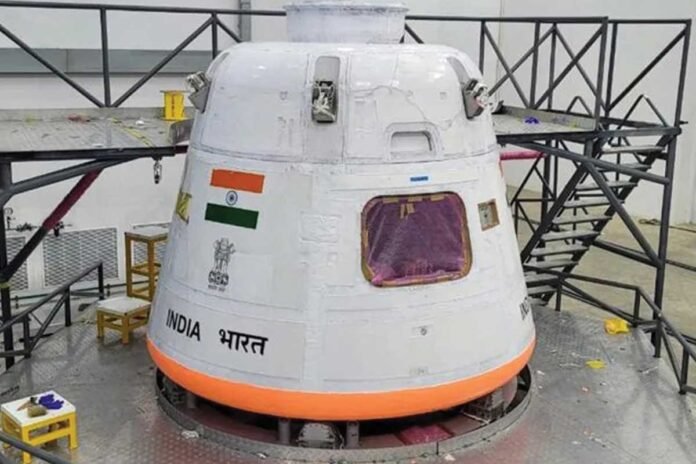
ISRO Testing Crew Module of Gaganyaan Mission

ISRO, the Indian Space Research Organisation, is on the verge of making history. On October 21, ISRO will begin a crucial series of tests in preparation for the eagerly awaited Gaganyaan mission. This mission represents India’s ambitious entry into the realm of crewed space exploration.

Evaluating the Crew Module

A fundamental aspect of this mission is testing the “crew module.” This module is the living space for Indian astronauts during their space journey. Its success is of utmost importance as it directly influences the safety and well-being of our astronauts.

An Overview of the Mission

In this test mission, the crew module will be sent into outer space and safely returned to Earth, with a successful landing in the Bay of Bengal. To ensure the mission’s success, the Indian Navy is conducting practice rescue operations, a critical part of ensuring the safe return of our astronauts.

Crew Escape System: A Lifeline in Space

Accompanying the crew module is a ‘crew escape system.’ Think of it as an emergency system designed to safeguard the crew in case of any issues during the spacecraft’s ascent into space. This system swiftly detaches from the spacecraft and guides the crew safely back to Earth. The proper functioning of this system is crucial for the mission’s safety.

Crucial Test: Test Vehicle Abort Mission (TV-D1)

The first test in this series, known as Test Vehicle Abort Mission (TV-D1), is similar to a practice run for the real mission, but it does not carry a crew. This specially designed test rocket carries the Crew Module (CM) and Crew Escape Systems (CES).

During the launch, the CES separates from the CM at an altitude of about 17 kilometers above Earth. It then autonomously executes the necessary steps, culminating in a safe landing of the CM in the sea, about 10 kilometers off the coast of Sriharikota.

Preparing for a Monumental Leap in Human Exploration

The success of the TV-D1 test mission signifies a significant milestone in ISRO’s preparation for the Gaganyaan mission. It’s not just about validating the technology and systems but also laying the foundation for upcoming unmanned and, eventually, crewed Gaganyaan missions. These missions hold immense potential for India’s role in space exploration.

A Bright Future: The Vyommitra Mission

Mr. Jitendra Singh, the Minister of State for Space, Science, and Technology, has also announced a unique test flight scheduled for next year. This flight will introduce “Vyommitra,” a female robot astronaut. This mission is another stride forward in India’s pursuit of scientific and technological excellence, highlighting our commitment to inclusivity and diversity in space exploration.

Follow THE SCIENTUIT on…